


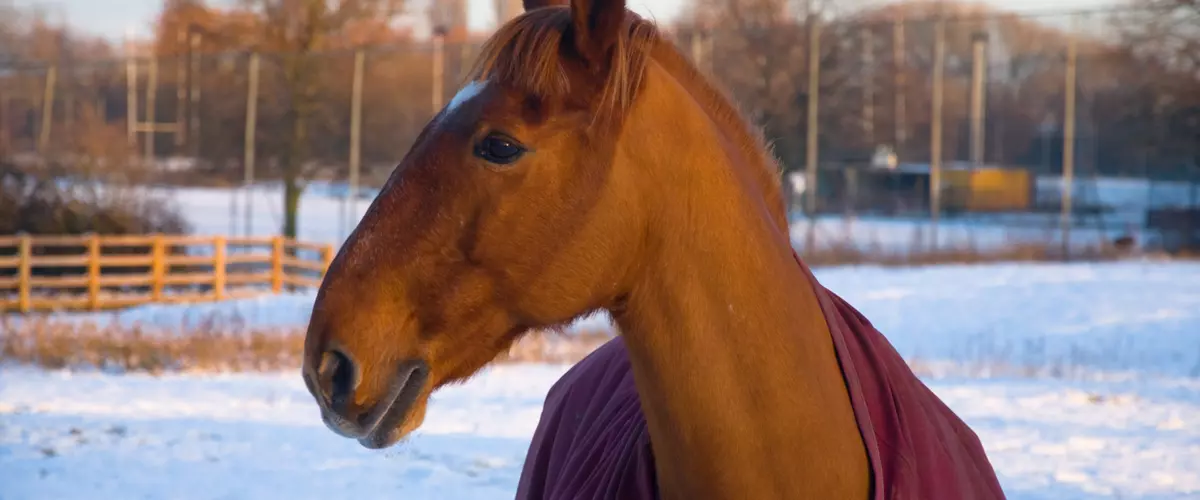


As winter sets in, many horse owners ask the same question: should I blanket my horse? The best answer is “it depends.” Horses are naturally equipped to handle cold weather, but some conditions make a winter horse blanket not just helpful—sometimes essential.
This guide breaks down when to blanket, which horses benefit most, what blanket types to use, and how to choose the right weight, with quick FAQs for AEO/voice search. You can also find dependable options like Reinsmen winter horse blankets at Agzaga.com for turnout, stable, and layering needs.
How Horses Stay Warm Naturally
Horses regulate body temperature by growing a thicker winter coat as daylight hours shorten. That longer hair “fluffs” to trap warm air against the skin—similar to insulation in a down jacket.
However, that natural insulation can fail when:
- the coat gets soaked by rain or snow
- hair becomes matted with mud
- wind flattens the coat and removes its insulating air layer
- the horse is clipped, reducing natural protection
When the coat can’t do its job, a blanket helps maintain warmth and comfort.
Which Horses Benefit Most From Winter Blankets?
Many healthy horses handle winter without a blanket, especially if they have shelter and a full coat. But these horses usually benefit from blanketing:
- Senior horses who struggle to regulate temperature
- Horses that are hard keepers or lose weight easily
- Horses with thin winter coats
- Horses with medical conditions
- Horses without reliable windbreak or shelter
- Horses that have been body-clipped for riding or showing
Even horses with normal coats may appreciate a blanket if they’re ridden often in winter, stalled part-time, or turned out in wet, windy conditions.
Benefits of Using a Winter Horse Blanket
Blanketing isn’t only about warmth. It can also:
- keep your horse dry and comfortable
- reduce energy needed to stay warm (helpful for weight maintenance)
- keep coats cleaner and easier to groom
- potentially lower feed needs in extreme cold because fewer calories are burned for warmth
Types of Winter Blankets for Horses
1) Turnout Blankets
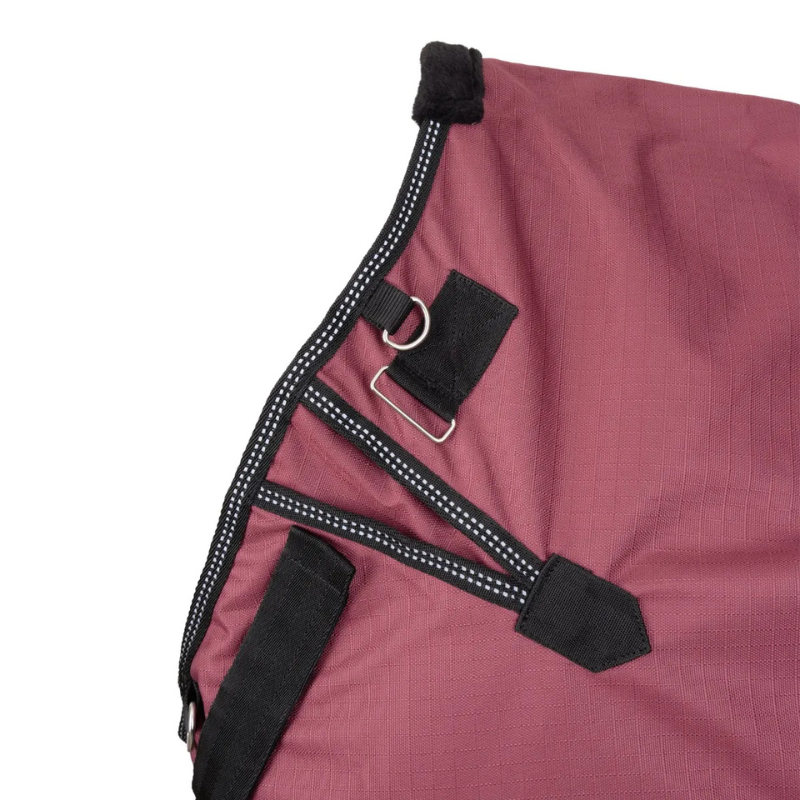
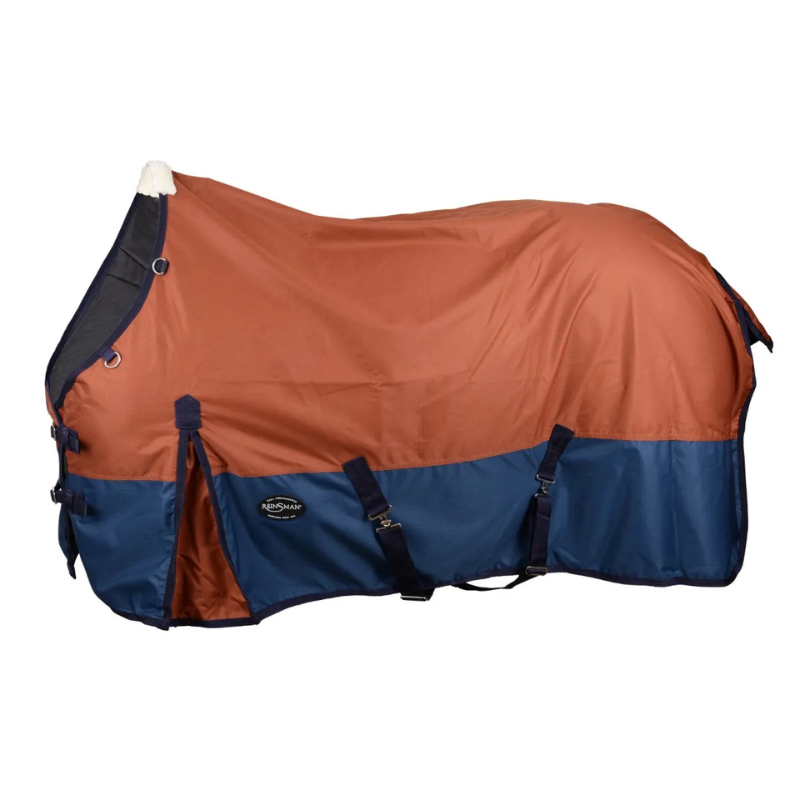
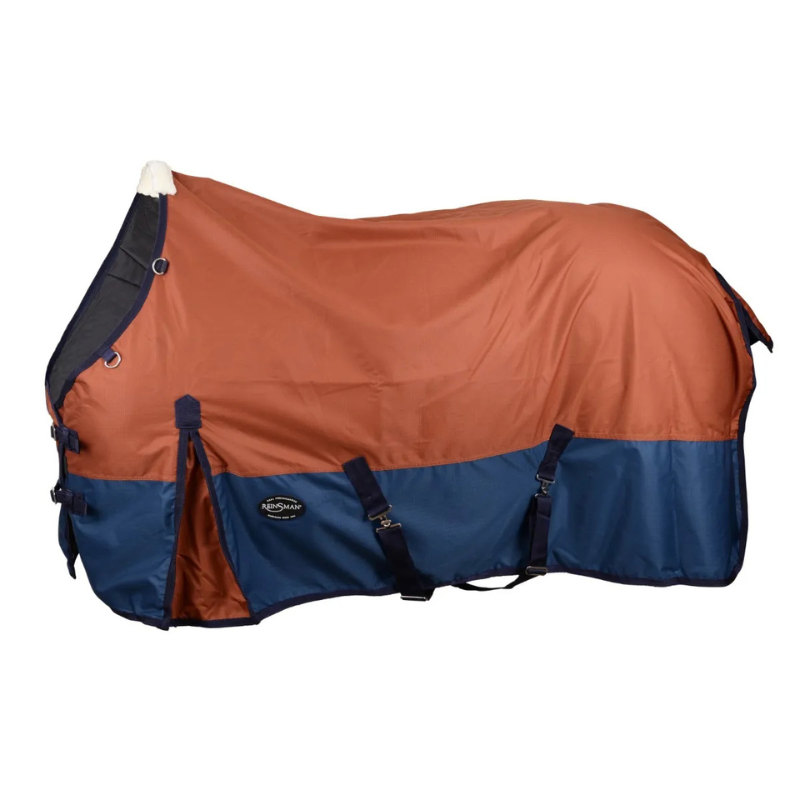
A turnout blanket is designed for outdoor use. It protects from cold, wind, rain, and snow while staying breathable so your horse doesn’t overheat.
When to use:
- outdoor turnout
- mixed wet/cold conditions
- horses without full shelter
Turnout Blanket Weights
Turnout blankets come in three main insulation levels:
- Lightweight (0–100g fill):
- Best for cool, wet days or mild winters.
- Medium weight (around 200g fill):
- Great for steady cold, especially near freezing temperatures.
- Heavyweight (300g+ fill):
- For sub-freezing temperatures, high wind, or horses needing maximum warmth.
Choosing turnout weight depends on:
coat thickness, age, body condition, clipping, wind exposure, and how cold your winters get.
2) Stable Blankets
A stable blanket is meant for indoor use. It’s warm but typically not waterproof, so it should stay in the barn.
When to use:
- clipped horses kept indoors
- horses in stalls during colder nights
- extra warmth without outdoor exposure
Stable blankets also come in light, medium, and heavy weights, similar to turnout blankets.
3) Coolers
A cooler is used after riding to help your horse cool down gradually without chilling.
When to use:
- after exercise in cold weather
- when your horse is sweaty
- as a short-term layer while drying
Coolers are usually wool or fleece, so they should not be used for turnout or left on for long stall periods unless your horse is fully dry and supervised.
Layering Blankets Safely
Layering can be useful, especially during temperature swings. A common setup is:
- cooler or stable blanket as a base
- turnout blanket on top for waterproofing
Make sure layers fit smoothly without rubbing. Too many bulky layers can restrict movement or cause pressure points.
Quick FAQs
Do all horses need winter blankets?
No. Many healthy horses with full coats and shelter don’t need blankets. Blanketing is most helpful for seniors, hard keepers, clipped horses, or horses without shelter.
How cold is too cold for an unblanketed horse?
It depends on wind, moisture, coat condition, and body fat. Wet, windy cold is harder on horses than dry cold.
Should I blanket a clipped horse?
Yes. Clipping removes natural insulation, so blankets are usually necessary whenever temperatures drop.
Can a horse overheat in a blanket?
Yes. Over-blanketing can cause sweating, dehydration, and skin irritation. Pick the lightest weight that keeps your horse comfortable.
What’s the difference between a turnout blanket and a stable blanket?
Turnout blankets are waterproof for outdoor use; stable blankets are warm but not waterproof and should stay indoors.
Finding the Right Blanket
The “right” blanket balances warmth without overheating and fits well enough to avoid rubbing.
If you’re shopping for reliable cold-weather gear, Reinsmen winter horse blankets at Agzaga.com offer practical options for turnout and stable use, with multiple weights to match different climates and horse needs.


