




If you’re in the middle of hay season and a belt fails, you’re probably asking: how do I repair belts on a John Deere baler? Belt damage is one of the most common issues with round balers, but the good news is that many repairs can be done quickly in the field with the right tools and approach.
Knowing how to repair a belt properly can save you time, reduce downtime, and keep your operation moving.
Common Causes of Belt Damage
Before jumping into repairs, it helps to understand what causes belt issues in the first place. On John Deere balers, common causes include:
- Normal wear and aging
- Debris or foreign objects
- Misalignment or tracking issues
- Worn or failed lacing
Identifying the cause can help prevent repeat problems after the repair.
Tools and Materials You’ll Need
To repair a baler belt, gather the following:
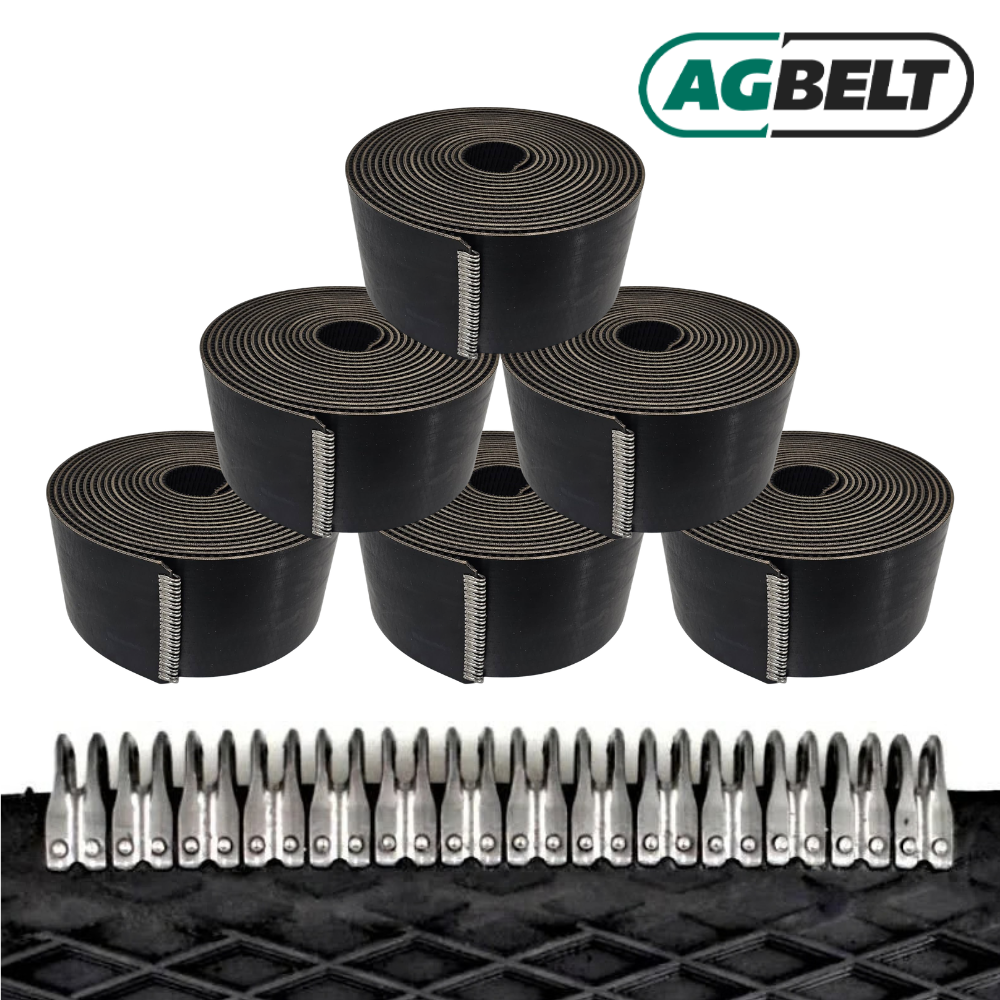
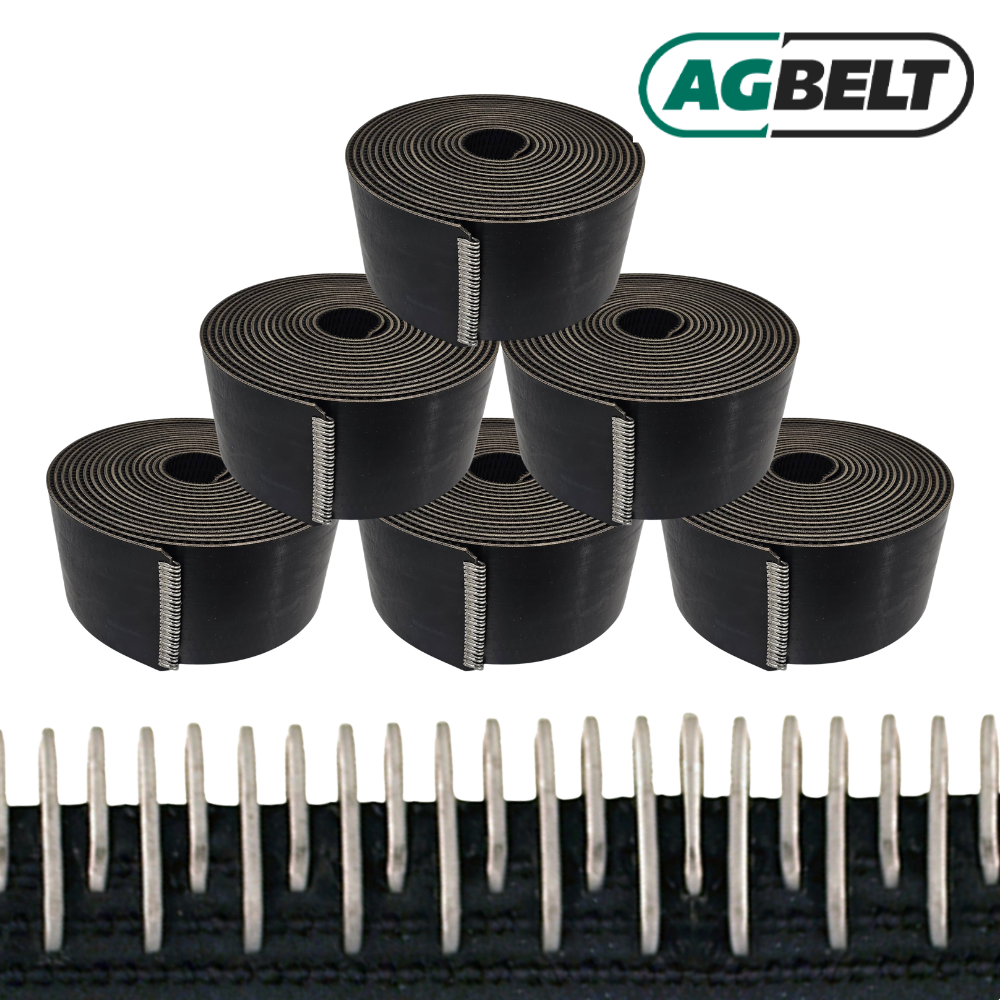
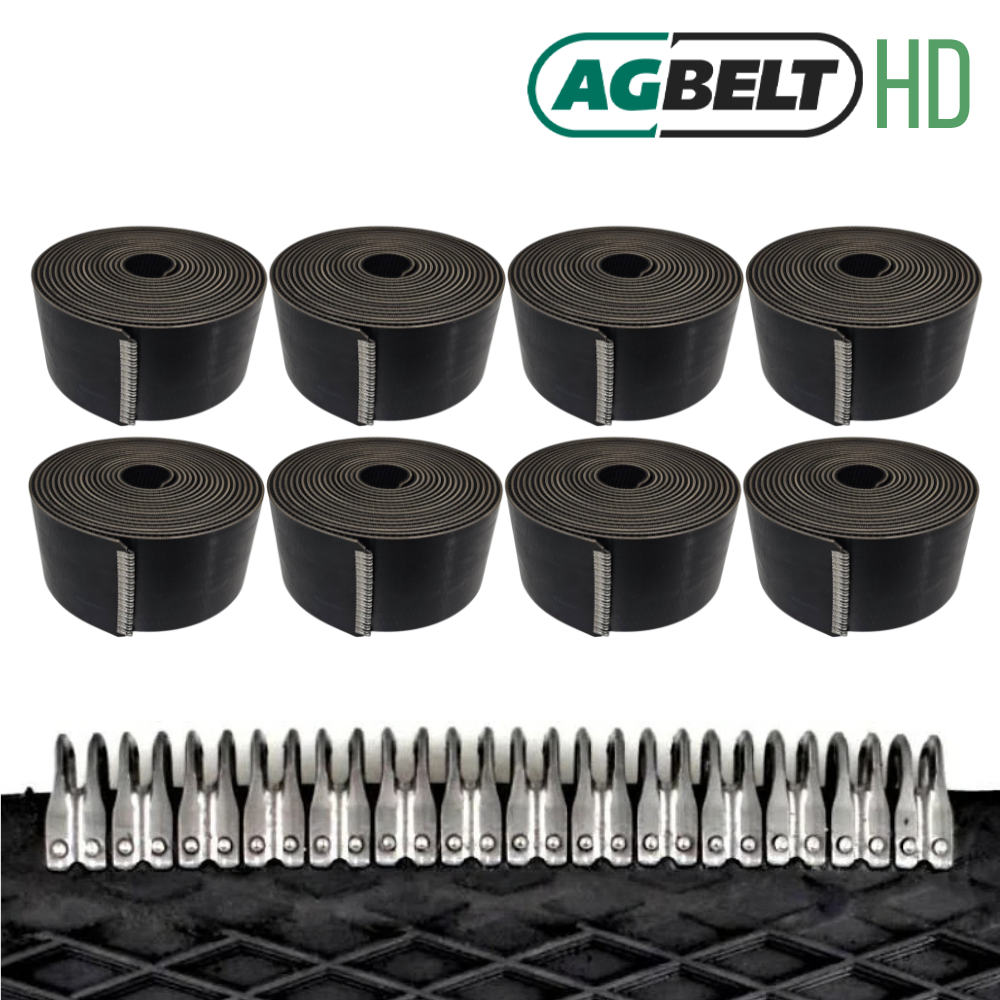
- Belt lacing (clipper or alligator style)
- Lacing tool or installation kit
- Replacement pin
- Utility knife or belt cutter
- Measuring tape
- Wrenches and safety gear
Having a repair kit on hand during hay season is a must.
Step 1: Park Safely and Release Tension
Safety always comes first:
- Park on level ground
- Shut off the tractor and remove the key
- Disengage PTO
- Relieve belt tension using the baler’s tension system
Never attempt repairs while belts are under tension.
Step 2: Remove the Damaged Section
Inspect the belt and determine the extent of the damage:
- For minor breaks, you may only need to reconnect the belt
- For torn or badly worn sections, cut out the damaged portion
Make clean, straight cuts to ensure proper alignment when reconnecting.
Step 3: Square the Belt Ends
Before installing lacing, both ends of the belt should be:
- Cut straight and square
- Free of frayed edges
Uneven cuts can cause poor tracking and premature failure.
Step 4: Install Belt Lacing
Attach lacing to both ends of the belt:
- Position the lacing evenly across the belt width
- Use a lacing tool to secure it properly
- Ensure all hooks or clips are aligned
Consistent, tight lacing is critical for a strong repair.
Step 5: Connect the Belt
Once both ends are laced:
- Bring the belt ends together
- Insert the connecting pin through the lacing
- Secure the pin in place
Make sure the splice is straight and flexible.
Step 6: Reinstall and Check Routing
If the belt was removed:
- Thread it back through the baler following the correct path
- Ensure it sits properly on all rollers
Incorrect routing can cause immediate issues when you restart.
Step 7: Reapply Tension and Test
After completing the repair:
- Restore belt tension according to John Deere specs
- Rotate the baler slowly to check tracking
- Run a test bale to confirm performance
Watch closely for any slipping or misalignment.
Field Repair vs. Full Replacement
In many cases, repairing a belt is a temporary fix. You should consider full replacement if:
- The belt has multiple weak spots
- There is significant cracking or dry rot
- Repairs are becoming frequent
A full replacement ensures long-term reliability.
Tips to Prevent Future Belt Damage
To extend belt life on your John Deere baler:
- Inspect belts regularly during the season
- Keep rollers clean and aligned
- Maintain proper belt tension
- Remove debris from the baler frequently
Preventative maintenance reduces the need for emergency repairs.
Why Quality Repair Materials Matter
Using high-quality lacing and repair components is just as important as the repair itself. Cheap or poorly installed lacing can fail quickly, leading to more downtime.
Reliable repair materials ensure:
- Strong, long-lasting splices
- Better belt tracking
- Reduced risk of repeat failures
Final Thoughts: Repairing John Deere Baler Belts
So, how do you repair belts on a John Deere baler? It comes down to removing the damaged section, installing proper lacing, and ensuring correct tension and alignment.
With the right tools and technique, you can handle most belt repairs quickly and keep your baler running efficiently—right when you need it most.


