




If you run a round baler long enough, belt wear is inevitable. Sooner or later, you’ll find yourself asking: how do I replace baler belts? Whether you’re dealing with cracks, fraying, or a complete break, replacing baler belts is a critical maintenance task that keeps your operation running smoothly during hay season.
The good news is—with the right approach—you can get it done efficiently and get back in the field fast.
Why Baler Belts Need Replacing
Baler belts take a beating every season. Constant tension, heat, debris, and heavy crop loads all contribute to wear over time.
Common signs you need to replace belts include:
- Cracks or dry rot
- Frayed edges
- Slipping or poor bale formation
- Broken lacing or splices
Ignoring worn belts can lead to downtime at the worst possible time—right in the middle of haying.
Tools and Materials You’ll Need
Before getting started, gather the right tools:
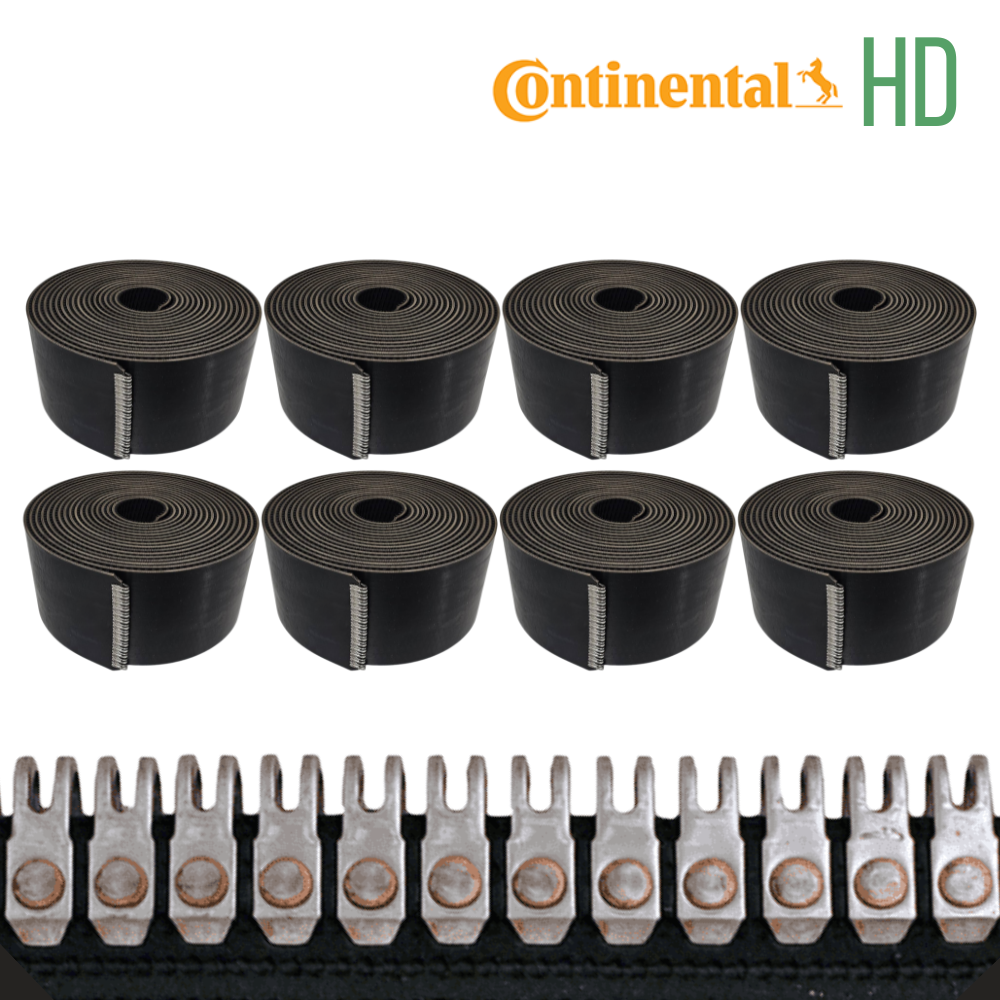
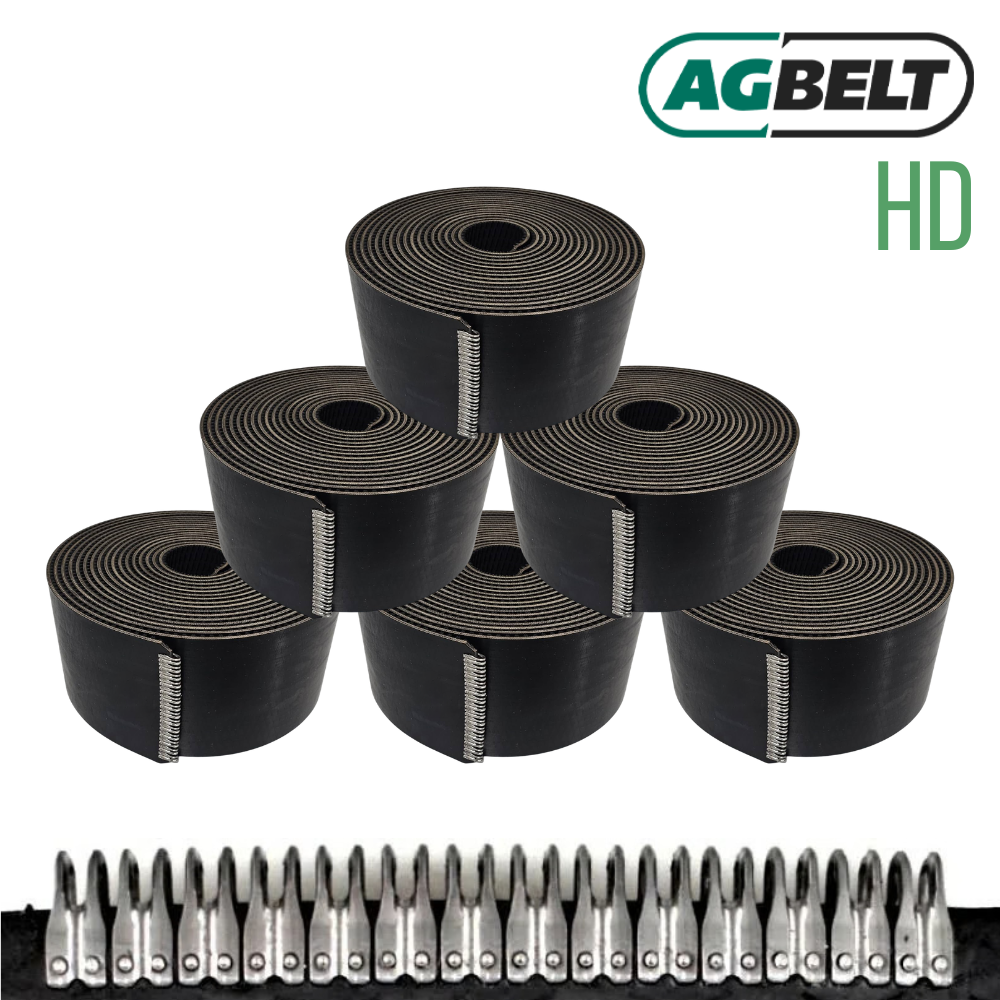
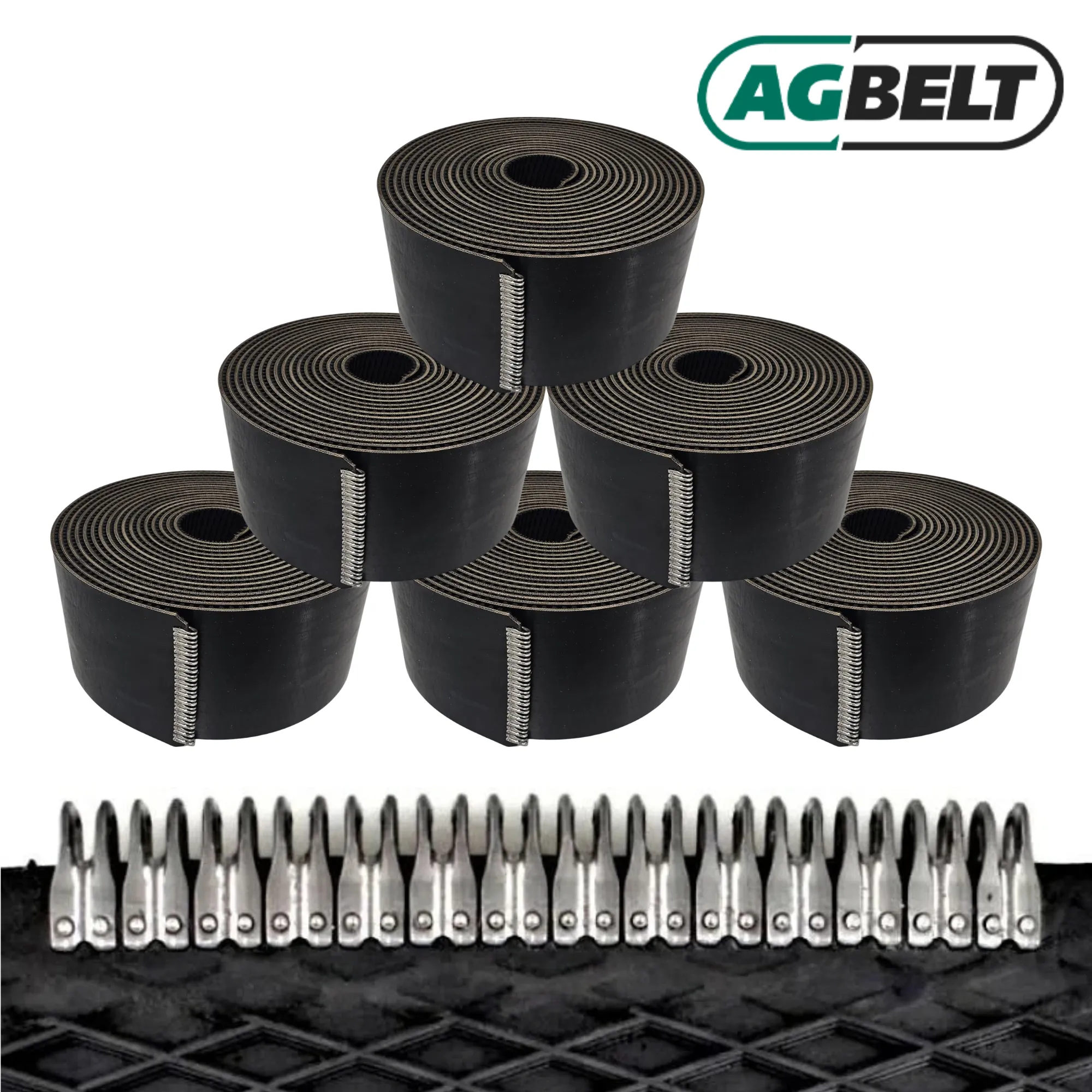
- Replacement baler belts (correct size and length)
- Belt lacing or fasteners
- Lacing tool or alligator lacer
- Wrenches and socket set
- Tape measure
- Safety gloves and eye protection
Having everything ready will save you time and frustration.
Step 1: Park and Prepare the Baler
Safety comes first:
- Park the baler on level ground
- Shut off the tractor and remove the key
- Relieve all belt tension according to your baler’s manual
Never work on belts while the machine is under tension.
Step 2: Remove the Old Belt
Locate the damaged belt and:
- Cut or disconnect the existing lacing
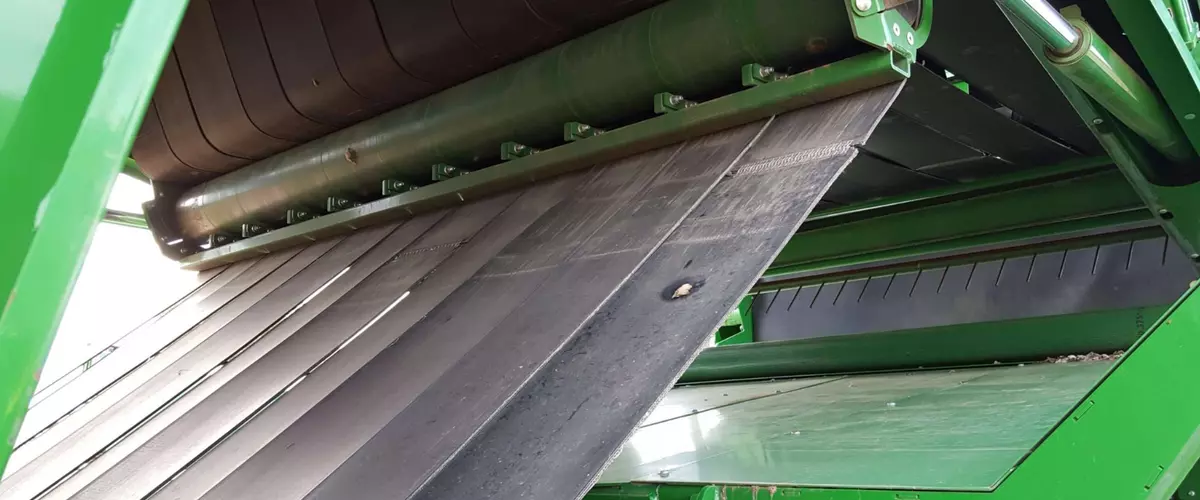
- Carefully pull the belt out of the baler system
- Take note of the belt routing path
It’s helpful to take a picture before removal so you can reinstall the new belt correctly.
Step 3: Measure and Confirm Belt Size
Before installing the new belt:
- Measure the old belt length and width
- Confirm it matches your replacement
Even small differences can affect baler performance, so accuracy matters.
Step 4: Thread the New Belt
Feed the new belt through the baler following the same path as the old one:
- Route it through rollers and guides
- Ensure it sits properly on all components
Take your time here—incorrect routing can cause serious issues later.
Step 5: Install Belt Lacing
Once the belt is in place, connect the ends using lacing or fasteners:
- Align both ends evenly
- Install lacing using the proper tool
- Insert the connecting pin
Make sure the splice is straight and secure to prevent tracking problems.
Step 6: Reapply Tension and Check Alignment
After installation:
- Restore belt tension according to manufacturer specs
- Rotate the baler manually (if possible) to check tracking
- Ensure the belt runs straight and doesn’t drift
Proper tension and alignment are key to long belt life.
Step 7: Test Before Full Operation
Before heading back to the field:
- Run the baler at low speed
- Watch for tracking issues or unusual noises
- Make adjustments as needed
A quick test run can prevent bigger problems later.
Tips for Extending Belt Life
Once your new belts are installed, you can extend their lifespan by:
- Keeping belts clean and free of debris
- Storing equipment out of direct sunlight
- Maintaining proper tension
- Inspecting belts regularly
Preventative maintenance reduces downtime and saves money over time.
Why Quality Belts Matter
Not all baler belts are created equal. High-quality belts provide:
- Better durability under heavy loads
- Improved tracking and performance
- Longer service life
Investing in reliable replacement belts helps ensure consistent bale formation and fewer in-season repairs.
Final Thoughts: Replacing Baler Belts
Learning how to replace baler belts is an essential skill for any hay producer. By following the right steps—removing the old belt, installing the new one correctly, and ensuring proper tension—you can keep your baler running efficiently when it matters most.
A little time spent on maintenance now can save hours of downtime during peak season.


