


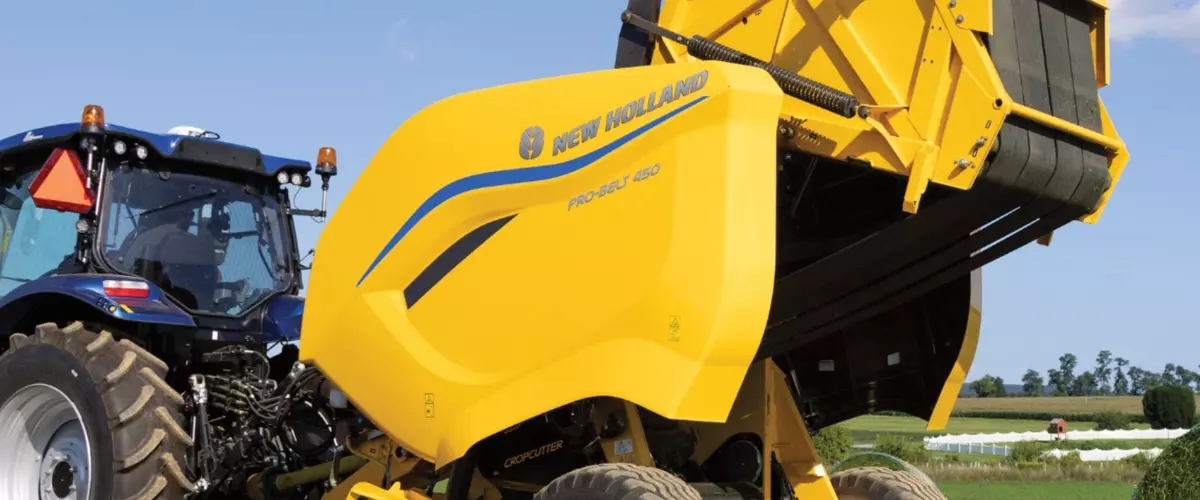


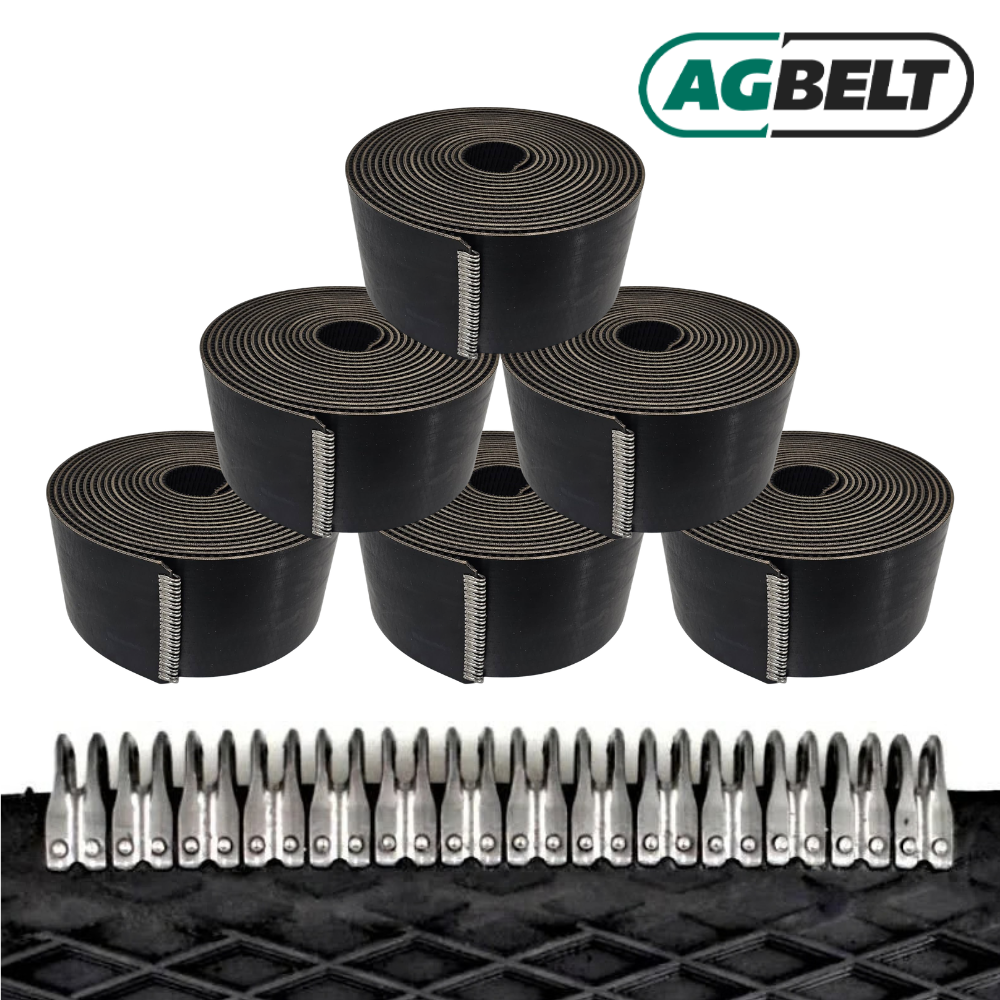
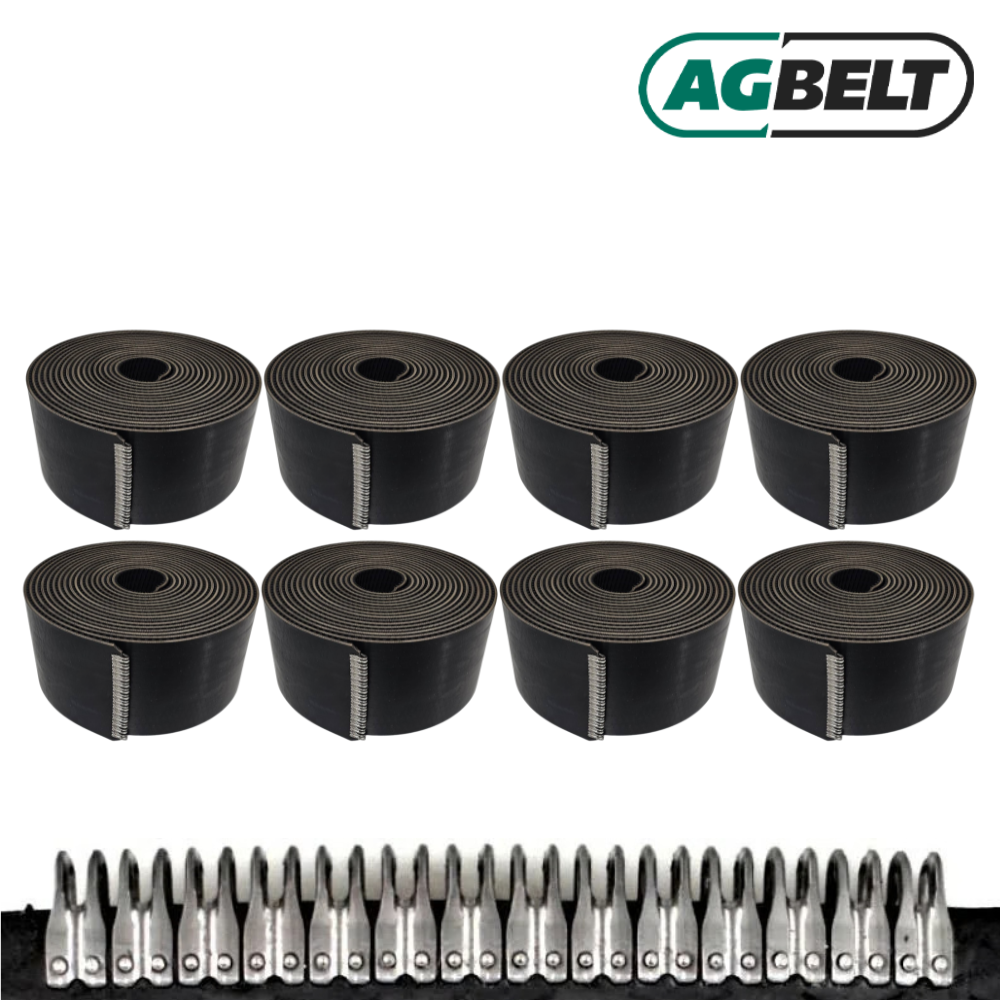
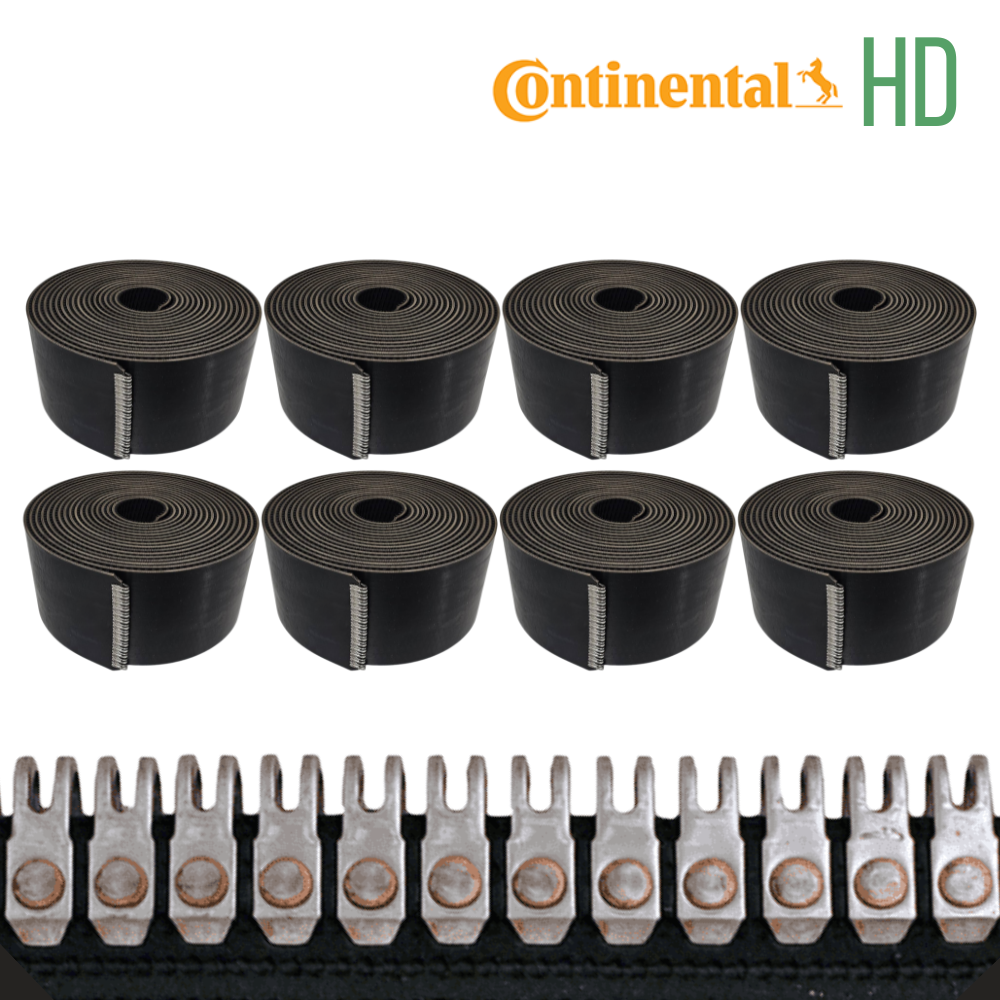
If you’re running a round baler, knowing how to splice round baler belts is an essential skill—especially during hay season when downtime costs you time and money. Whether a belt has broken or you’re installing a new one, proper splicing ensures your baler runs smoothly and produces consistent bales.
The most common method is using metal lacing (clipper or alligator style), which creates a strong, flexible connection.
Why Proper Splicing Matters
A poorly spliced belt can cause:
- Belt tracking issues
- Uneven bale formation
- Premature belt failure
- Increased wear on rollers and bearings
A clean, straight splice ensures durability and keeps your baler operating efficiently.
Tools and Materials You’ll Need
Before starting, gather:
- Belt lacing (clipper or alligator)
- Lacing tool or installation tool
- Connecting pin
- Utility knife or belt cutter
- Tape measure
- Straight edge or square
- Safety gloves and eye protection
Having the right tools makes the job faster and more reliable.
Step 1: Remove Tension and Access the Belt
Safety first:
- Park on level ground
- Shut off tractor and disengage PTO
- Relieve belt tension using the baler’s system
Make sure the belt is loose and easy to work with before proceeding.
Step 2: Cut the Belt Ends Square
For a strong splice, both ends must be:
- Cut straight across
- Even and square
- Free of fraying or damage
Use a straight edge to guide your cut—this is one of the most important steps.
Step 3: Choose the Right Lacing
There are two common types of belt lacing:
- Clipper lacing – More flexible, often used for smoother operation
- Alligator lacing – Heavier-duty, easier to install in the field
Choose the type that matches your baler and operating conditions.
Step 4: Install Lacing on Each End
Attach the lacing to both belt ends:
- Align the lacing evenly across the width
- Use a lacing tool to secure it firmly
- Ensure all hooks or clips are straight and consistent
Proper alignment prevents tracking issues later.
Step 5: Join the Belt Ends
Once both sides are laced:
- Bring the belt ends together
- Insert the connecting pin through the lacing loops
- Secure the pin so it doesn’t slide out
The splice should be straight and allow smooth movement through rollers.
Step 6: Reinstall and Check Belt Routing
If the belt was removed:
- Thread it back through the baler correctly
- Ensure it sits properly on all rollers and guides
Incorrect routing can cause immediate failure.
Step 7: Reapply Tension and Test
After splicing:
- Restore proper belt tension
- Slowly rotate the baler to check tracking
- Run a test bale to confirm performance
Watch closely for:
- Belt drifting
- Noise at the splice
- Uneven movement
Common Mistakes to Avoid
When learning how to splice round baler belts, avoid:
- Crooked or uneven cuts
- Misaligned lacing
- Using worn or incorrect lacing
- Skipping tension checks
Small mistakes can lead to big problems in the field.
When to Splice vs. Replace
Splicing works well for:
- Broken belts in otherwise good condition
- Quick field repairs
However, consider full replacement if:
- The belt is heavily cracked or worn
- Multiple repairs have already been made
- Belt performance is declining
Why Quality Lacing Matters
Not all lacing is created equal. High-quality lacing provides:
- Stronger connections
- Better flexibility
- Longer-lasting repairs
Investing in good materials ensures your splice holds up under heavy baling conditions.
Final Thoughts: Splicing Round Baler Belts
So, how do you splice round baler belts? It comes down to clean cuts, proper lacing installation, and correct tensioning.
With the right tools and technique, you can handle belt repairs quickly and keep your baler running efficiently—saving time, money, and frustration during the busiest time of the year.


