


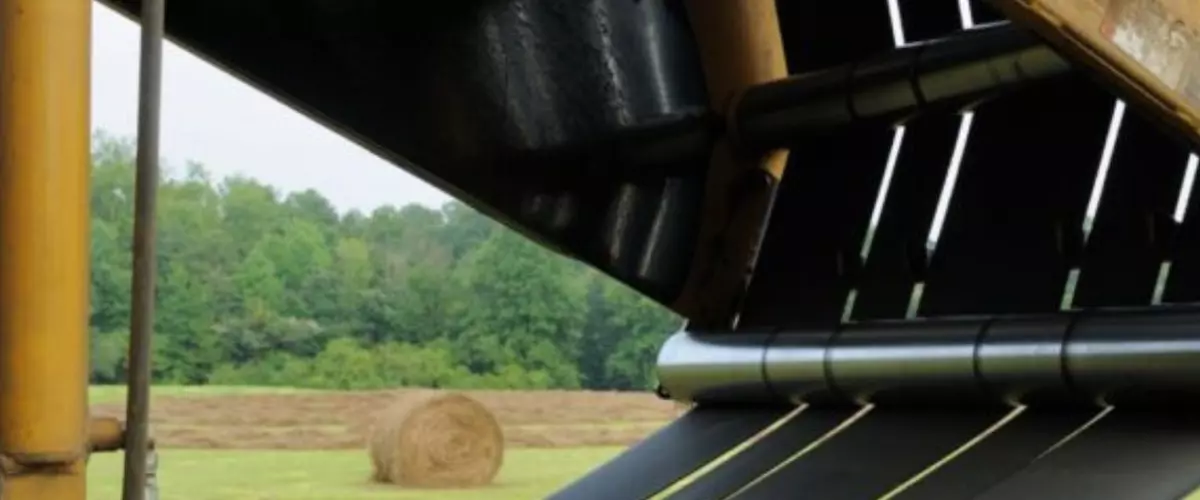


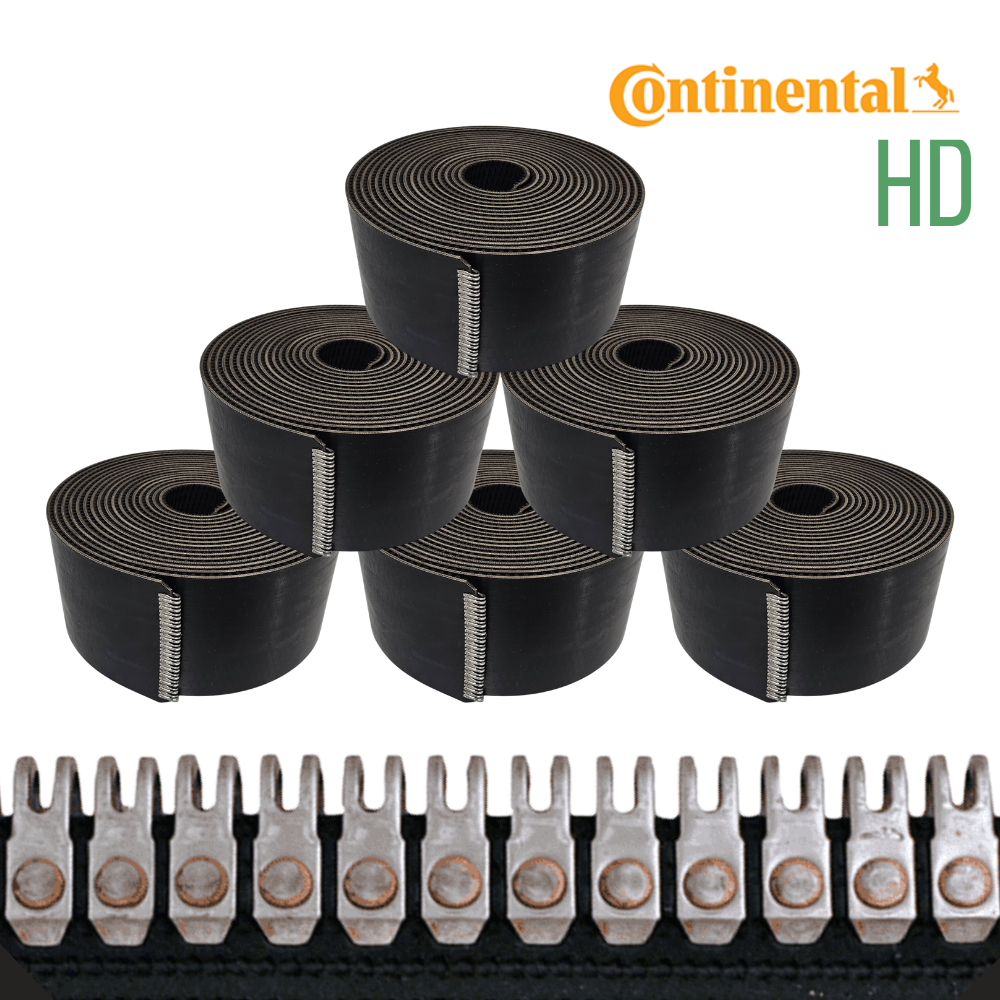

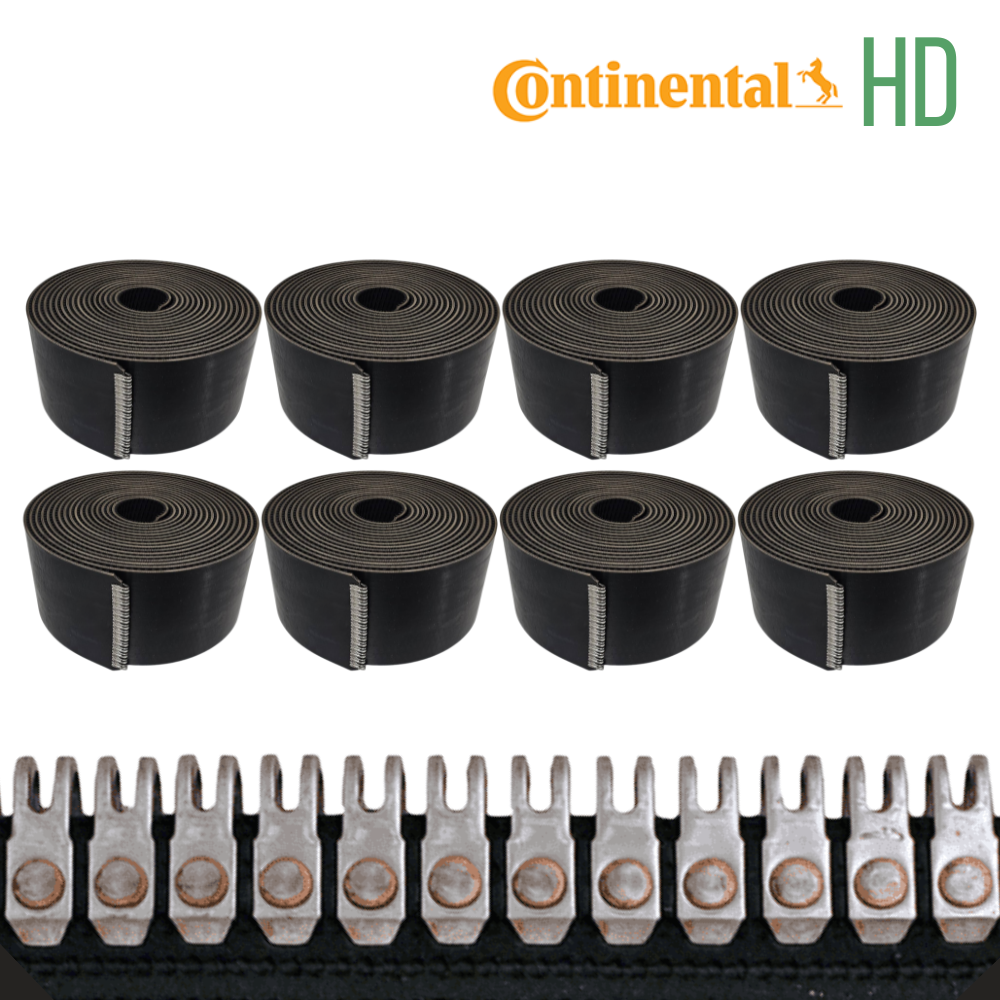
If your bales aren’t forming as tightly as they should, you might be asking: how do I tighten baler belts on a Vermeer baler? Proper belt tension is critical for bale density, shape, and overall performance. Fortunately, Vermeer balers are designed with tensioning systems that can be adjusted with the right approach.
Why Belt Tension Matters
Baler belts are responsible for forming and compressing the bale. If they’re too loose, you may notice:
- Soft or loosely packed bales
- Inconsistent bale shape
- Belt slippage during operation
Proper tension ensures tighter, more uniform bales and reduces wear on your equipment.
Step 1: Check Your Operator’s Manual
Before making any adjustments, always consult your specific Vermeer baler manual. Different models (504, 605, 604N, etc.) may have slightly different tensioning systems.
However, most Vermeer round balers use a spring or hydraulic tensioning system that follows similar adjustment principles.
Step 2: Park Safely and Relieve Pressure
Safety comes first:
- Park on level ground
- Shut off the tractor and remove the key
- Disengage PTO
- Relieve hydraulic pressure if applicable
Never attempt to adjust belt tension while the baler is running or under load.
Step 3: Locate the Belt Tensioning System
On most Vermeer balers, belt tension is controlled by:
- Tension springs (mechanical systems)
- Hydraulic cylinders (automatic systems)
Look near the rear or side of the baler for the tension arms or spring assemblies.
Step 4: Adjust Spring Tension (Mechanical Systems)
If your baler uses spring tension:
- Locate the adjustment bolts connected to the tension springs
- Tighten the bolts evenly on both sides
- Increase tension gradually—don’t over-tighten
Equal adjustment is critical to keep belts tracking straight.
Step 5: Adjust Hydraulic Pressure (Hydraulic Systems)
If your baler uses a hydraulic density system:
- Adjust the bale density setting from the control panel or valve
- Increase pressure to tighten belts and produce denser bales
Always stay within manufacturer-recommended pressure ranges to avoid damage.
Step 6: Check Belt Tracking and Alignment
After tightening:
- Slowly rotate the baler (if possible)
- Ensure belts run straight and centered
- Watch for drifting or uneven tracking
Improper tension can cause belts to track incorrectly, leading to premature wear.
Step 7: Test with a Bale
The best way to confirm proper tension is to:
- Run a test bale
- Check for firmness and shape
- Adjust again if needed
A properly tensioned baler should produce tight, uniform bales with smooth edges.
Signs Your Belts Are Too Tight
While loose belts are a problem, over-tightening can also cause issues:
- Excessive wear on belts and rollers
- Increased strain on bearings
- Reduced belt lifespan
Aim for balanced tension—not maximum tension.
Maintenance Tips for Vermeer Baler Belts
To keep your belts in top condition:
- Inspect regularly for wear or damage
- Keep belts clean and free of debris
- Store equipment out of direct sunlight when possible
- Monitor tension throughout the season
Consistent maintenance reduces breakdowns during peak haying time.
Final Thoughts: Tightening Baler Belts on a Vermeer
So, how do you tighten baler belts on a Vermeer baler? It comes down to adjusting the tensioning system correctly—whether spring or hydraulic—while maintaining proper alignment and balance.
With the right adjustments, you’ll produce tighter bales, improve efficiency, and extend the life of your equipment—keeping your operation running smoothly when it matters most.


